
The logistics industry is changing. We're the ones changing it.
Sendify is a logistics platform at a turning point. The infrastructure is built. The team is growing fast. And the shift from booking tool to intelligent logistics platform is happening right now. If you're curious by default, like to own your work end to end, and want to see the direct impact of what you build, read on.

What we're building and why it matters
Shipping is one of the last parts of running a business that still feels manual and fragmented. We're building the platform that changes that. Sendify supports 4,000+ businesses every week in comparing, booking, and managing all their freight in one place. And right now, we're making the shift from booking tool to intelligent logistics platform, where automation and AI do the heavy lifting. That's what our tech team is working on.
-
A global company has a supply chain team optimising its entire network what comes in, what goes out, how it's warehoused, how every move is made faster and cheaper. Today, size is what unlocks that: the bigger you are, the better the terms you get. We're building the platform that gives a small business the same capability, the same terms as a global enterprise, so companies compete on what they sell, not on how big they are.
Nitesh Mishra
Director of Product Development

Tech Stack: what we build with
Product engineering
Our backend runs on Go. It's fast, handles parallel requests well, and has a low learning curve, which matters when you're a small team that moves quickly. The frontend is built with React and TypeScript. TypeScript keeps the codebase stable as it grows. MySQL handles our data storage, and our infrastructure runs on AWS with managed services, so the system scales automatically without manual intervention. AI-assisted development is part of how we workday to day across all teams.
Data and intelligence
Our data stack is built on Snowflake, dbt, and Airbyte, with GitLab CI/CD for pipelines. The infrastructure is in place. The next step is moving from reporting to product intelligence, embedding data and AI into the platform itself.
Our jobs
No matching jobs
Connect with us to stay up-to-date on new openings.
How we think about AI
AI is changing how we build. It's also changing what we build. We treat them as two separate questions. On the engineering side, AI tooling is already part of daily work. But what that means in practice, according to Erik, Engineering Manager, is a shift in what actually matters:
"The role of the software developer is changing fundamentally. What's now much more critical is that you actually understand the problem. You take a problem statement, hand it to AI, it writes the code, and then you check that it actually solves what you wanted to solve."
Erik, Engineering Manager
On the product side, that same shift is showing up differently. As Sabina, Product Manager, puts it:
"AI has basically solved the problem of building things right. So now we have to ask: how do we understand what to build in the first place?"
Sabina, Product Manager
The answer to that second question is what's driving our data ambition. The modern data stack is built. The next step is moving from dashboards to product intelligence, using the data we have to power smarter recommendations, automated decisions, and features that actually know what a customer needs before they ask.
Employee voices
-

Nitesh, Director of Product Development
"We're a B2B company, but our customers behave like consumers; they adopt fast, and they want change faster. That puts engineering in the driver's seat: what you build moves the business directly, not eventually. We keep titles deliberately simple here, which means the responsibility is bigger than the title suggests."
-

Eleni, Product Manager
"There is space for experimentation and I really like that. There is room for failure because building a product, you mostly fail and then you learn. It's good to feel that I'm allowed to fail. I don't take that for granted at all."
-
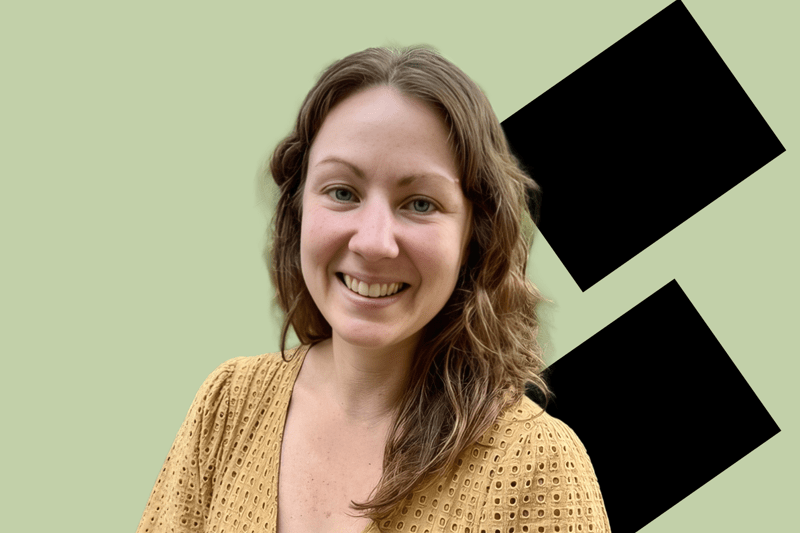
Sabina, Product Manager
"I worked at a startup before, scaling from 15 to 300 people, and I saw the identity disappear around 50 to 60 employees. Here it's stronger than ever."


Team and culture
The tech team is small enough that you know everyone, and big enough that there's always someone to learn from. A team that's scaling up, with more engineers joining over the next 18 months. Engineers, product managers, and designers work in the same teams, which means you're close to the whole problem and not just your part of it. Ideas move fast here. If you want to test something, you test it.
How we work
-
It's not that someone else decides what we're going to build. We are all together forming the products, and the engineers' knowledge is extremely important for us.
Eleni
Product Manager
Benefits: Explore what comes with the job
-
🏝️ Time and flexibility
30 days paid vacation, one remote day per week, and flexibility for longer remote periods when life calls for it.
-
💻 Your setup, your choice
Mac or PC, you pick the equipment that lets you do your best work. No one-size-fits-all policy.
-
🧘 Health and wellbeing
Wellness grant, gym partnerships with SATS and Nordic Wellness, medical insurance, and computer glasses through Synsam.
-
💰 Financial security
Occupational pension, accident and disability insurance, life insurance, and discounts on private insurance and loans.
-
👶 Family and parental leave
Extra parental pay on top of Försäkringskassan, scaling with time at Sendify. Up to six months of additional parental benefit after three years of employment.
-
🎉 A fun community
After-works, a running club, and the kind of social stuff that makes the office feel like more than just a place to work. Easy to join but never mandatory.

Office and working environment
Our office is at Östra Larmgatan 16, right in the centre of Gothenburg. 1,200 sqm, renovated last year, open layout with room to move between teams. Everyone has their own desk and workstation, which the tech team values. And when you need to focus away from the buzz, there are quiet rooms to settle into. But nothing's fixed: you can pick up your laptop and sit next to the sales team for an hour, or grab a coffee with someone from customer service. The setup makes cross-team conversations easy, and those conversations matter here.
We work four days a week from the office, with one flexible day from home Monday to Thursday. Fridays are always in the office, and they start with a shared breakfast buffet and Friday Wins, where the whole company gathers to go through the week's wins. We believe the best ideas happen when people are close to each other. The office also has a golf simulator, sauna, and ping pong table.
-
It's so much colour, sound, energy. Since everyone is in the office, the vibe is just really good. You feel happy the moment you walk in.
Sabina
Product Manager

Your career. Your way.
At Sendify, you don't have to become a manager to grow. There are two parallel career paths, and neither is considered more prestigious than the other. You choose based on where you want to go, with coaching from your manager along the way. And if you change your mind, you can change direction.
Career paths in tech
Individual contributor
We keep titles deliberately simple you won't find principal or staff labels here. What you'll find instead is more responsibility than the title implies. A senior engineer can own an entire part of the application end to end and set its technical direction, leading through hands-on depth rather than a management layer. Authority here comes from what you build and the judgment you bring, not from where you sit on an org chart.
Management track
Lead a team, own delivery, and grow into engineering leadership. Erik, Engineering Manager, took this path after six years as a developer at Sendify:
"Being promoted felt natural. The freedom to shape things, to build a team around shared values. That's what keeps me here."
Erik, Engineering Manager
FAQ
-
What is the average software engineer salary in Sweden?
At Sendify, compensation is set based on role, level, and market data. We're happy to discuss specifics during the process. At Sendify we always aim to be better than the market.
-
What does the tech stack look like at Sendify?
Our product engineering stack is Go on the backend, React and TypeScript on the frontend, MySQL for data storage, and AWS for infrastructure. Our data stack is built on Snowflake, dbt, and Airbyte. AI tooling is part of daily work across all teams.
-
What are the best tech companies in Gothenburg?
Gothenburg has a growing tech scene, with companies like Einride, Walley, Kognic, and Recorded Future alongside established players like Volvo and Ericsson. Sendify sits in the logistics SaaS space, building the platform that helps thousands of businesses manage their freight.
-
What is it like working at a startup?
At Sendify specifically, that means a lot of autonomy, direct access to decision-makers, and the expectation that you drive your own development. The pace is fast and things change, but you see the direct impact of your work.
-
Do I need to speak Swedish to work at Sendify?
No. English is the working language in the tech team. Swedish is helpful but not a requirement.
-
How does the hiring process work?
The process starts with a first call to get to know each other, followed by an in-person interview at our Gothenburg office focused on your experience and the role. Depending on the position, you'll complete a case or technical assessment. You'll then meet the broader team and our CEO, for a second interview focused on culture and whether we're a good match. After a reference check, we make an offer.
-
Is the role remote-friendly or office-based?
We work four days a week from our office in central Gothenburg, with one flexible remote day Monday to Thursday.

We're a Great Place to Work!
Great Place to Work is the global standard for measuring workplace culture, with over 100 million employees surveyed across more than 60 countries. The certification comes from an anonymous employee survey, so the score reflects the honest view of the people who actually work here.